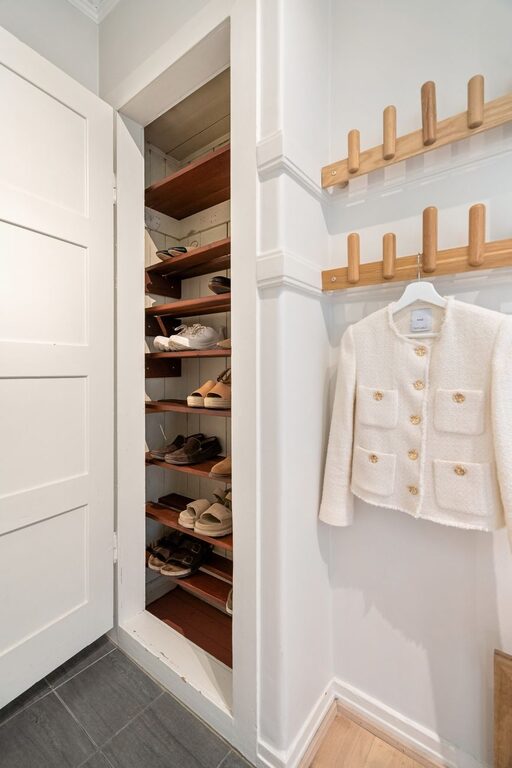
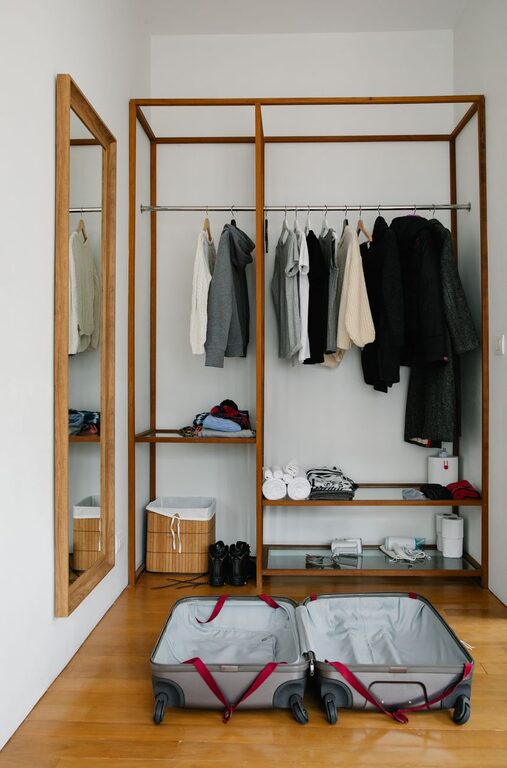
Storing seasonal clothes efficiently can make a big difference in keeping your home organized and your wardrobe ready for every season. Whether you need to pack away bulky winter coats or summer dresses, proper storage helps protect your clothes, saves space, and makes it easier to find what you need when the seasons change. In this guide, we’ll walk you through everything you need to know to store your seasonal clothes smartly and efficiently.
Why Proper Storage Matters
When clothes are stored incorrectly, they can get damaged by moisture, dust, pests, or wrinkles. Proper storage extends the life of your garments and keeps them smelling fresh. It also helps you make the most of your available closet or storage space, especially if you live in a smaller home.
—
Preparing Clothes for Storage
Before you stash clothes away, take some time to prepare them properly.
1. Clean Everything
Always wash or dry-clean your clothes before storing. Dirt, sweat, and stains can attract insects and cause permanent damage over time. Make sure clothes are completely dry to prevent mold and mildew.
2. Repair and Mend
Fix loose buttons, broken zippers, and small tears. This prevents further damage and saves time when you wear the items again.
3. Sort and Declutter
Evaluate which clothes you want to keep. Seasonal storage is a perfect time to donate or recycle items you no longer wear.
—
Choosing the Right Storage Containers
The containers you use play a key role in effective storage.
1. Plastic Bins with Tight Lids
Clear plastic bins help keep moisture and pests out while letting you see what’s inside. Make sure the bins have tight-fitting lids to keep dust away.
2. Vacuum-Sealed Bags
These bags remove air and compress clothes, saving a lot of space. They’re great for bulky items like sweaters and coats. However, don’t store leather or delicate fabrics in vacuum bags as they need air circulation.
3. Fabric Storage Bags
Breathable fabric bags protect clothes from dust while allowing airflow. These work well for delicate or natural fibers that need to “breathe.”
4. Cardboard Boxes
While affordable, cardboard boxes can attract pests and absorb moisture. If you use them, line boxes with acid-free tissue paper and store in a dry, well-ventilated area.
—
Best Practices for Storing Different Types of Clothes
Heavy Winter Clothes
– Fold sweaters and knitwear gently to avoid stretching.
– Use cedar balls or lavender sachets to deter moths.
– Store bulky coats in large plastic bins or breathable garment bags.
Light Summer Clothes
– Fold lightweight fabrics neatly to prevent wrinkles.
– Store in breathable bags or bins to avoid moisture buildup.
– Include silica gel packets to absorb humidity.
Shoes and Accessories
– Clean shoes before storing and stuff them with acid-free paper to maintain shape.
– Use clear shoe boxes or dedicated shoe racks.
– Store scarves, belts, and hats in drawer organizers or small bins.
—
Organizing Your Storage Space
Keeping your seasonal clothes organized will save you time and effort later.
1. Label Everything
Use labels or tags to mark bins and bags clearly. Indicate contents like “Winter Sweaters” or “Summer Dresses” for easy identification.
2. Group by Category and Color
Sort clothes by type (e.g., tops, bottoms, outerwear) and then by color. This makes it easier to find specific items.
3. Store Off the Floor
Keep storage containers on shelves or pallets to avoid contact with cold, damp floors that could damage your clothes.
4. Create a Rotation System
Place the clothes you’ll need first on top or in front, so you don’t have to unpack everything at the start of a season.
—
Additional Tips for Long-Term Storage
– Avoid hanging heavy sweaters or knitwear as they can lose shape; fold them instead.
– Refresh stored clothes before wearing by airing them out or washing as needed.
– Regularly check stored clothes for signs of moisture or pests.
– Use natural repellents like cedar or lavender instead of harsh chemicals.
—
Conclusion
Storing seasonal clothes efficiently is all about preparation, choosing the right containers, and organizing your space thoughtfully. By following these practical steps, you’ll protect your wardrobe, save space, and make seasonal transitions easier. Try incorporating these strategies into your next seasonal swap, and enjoy a tidier, more functional closet year-round!
About the Author