Paper clutter can easily accumulate in any household. From bills and receipts to junk mail and school papers, stacks of documents can quickly take over your space and create unnecessary stress. The good news is that reducing paper clutter doesn’t have to be complicated. With some simple and consistent habits, you can keep your home organized and enjoy a cleaner, more calming environment.
In this post, we’ll explore practical tips and strategies to help you manage and minimize household paper clutter effectively.
Why Reducing Paper Clutter Matters
Before diving into the how-to, it’s helpful to understand why reducing paper clutter is important:
– Saves time: Less paper means less time spent searching for documents.
– Reduces stress: A tidy space can help improve mental clarity.
– Saves space: Decluttering frees up valuable room in your home.
– Protects important documents: Organizing helps prevent loss or damage.
Now, let’s look at simple ways to tackle paper clutter.
Set Up a Dedicated Paper Management System
Having a clear system for incoming paper is the foundation of staying organized.
Create an Inbox Station
Designate one spot in your home, such as a tray or basket, as a central “inbox” for all incoming paper—mail, school papers, coupons, etc. This keeps everything in one place and prevents papers from spreading across counters and tables.
Use Sorting Bins or Folders
Next, have labeled folders or bins for categories like:
– Bills to pay
– Receipts to keep
– Important documents
– Papers to file
– Junk mail
This way, you can sort and manage papers quickly.
Go Digital Whenever Possible
One of the best ways to reduce paper clutter is to cut down on paper coming in.
Opt for Electronic Billing and Statements
Contact your service providers, banks, and credit card companies to switch paper bills and statements to email or online access. Not only does this reduce paper, but it also makes it easier to track payments.
Scan and Store Important Papers
For documents you need to keep, consider scanning them and storing digitally on your computer or secure cloud storage. This allows you to recycle the physical copies and reduce physical clutter.
Use Apps to Manage Receipts and Notes
There are many apps available that let you digitally capture receipts, notes, or important info, reducing the need to keep paper copies.
Review and Purge Regularly
Paper clutter builds up if not addressed consistently.
Schedule Weekly Decluttering
Set aside a few minutes each week to go through your inbox and folders. Pay bills, file important documents, and discard junk mail promptly.
Shred Sensitive Documents
To protect your privacy, shred documents like old bills, bank statements, or anything containing personal information before recycling.
Organize Important Documents Efficiently
Certain papers you must keep, like tax records, warranties, and medical documents, need a safe and accessible place.
Use a Filing Cabinet or Portable File Box
Choose a filing system that fits your space and lifestyle. Label folders clearly and group related documents together.
Keep Only What’s Necessary
Be selective about what you keep. For example, tax records generally need to be kept for seven years, while some warranties may only be useful for a year or two.
Limit Paper Coming In from Outside
Reducing incoming paper is essential for a clutter-free home.
Unsubscribe from Junk Mail
Visit websites like the Direct Marketing Association’s opt-out service to reduce unsolicited mail. You can also contact companies directly to remove yourself from mailing lists.
Opt Out of Catalogs and Flyers
Many retailers offer digital catalogs or newsletters instead of paper versions—sign up for those to reduce paper.
Develop Good Habits with Your Family
Clutter control works best when everyone is involved.
Teach Kids to Manage Their Papers
Set a space for school papers and encourage regular sorting. Keep artwork and important papers in a folder or portfolio.
Communicate the System to Everyone
Make sure all household members know the paper management system and follow the same routines.
Use Creative Storage Tools
Beyond folders and trays, there are many storage solutions that can help manage paper neatly.
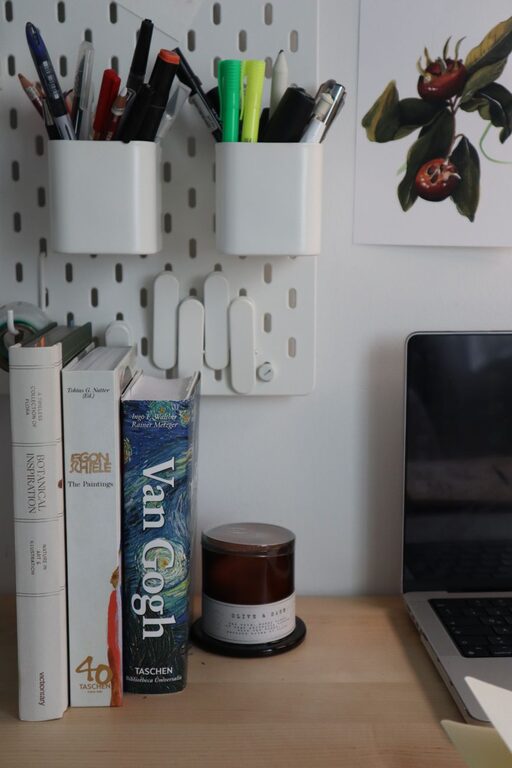
Use Desk Organizers
Small organizers with compartments can keep frequently used papers and supplies easy to access.
Use Wall-Mounted File Holders
These keep papers off flat surfaces and save desk or counter space.
Display Important Reminders Digitally
Use calendars or notes on phones or smart devices instead of paper reminders.
Conclusion
Reducing household paper clutter is achievable with simple, consistent efforts. By setting up an inbox system, going digital, regularly reviewing papers, and involving the whole family, you can create a more organized and peaceful home environment. Start with small steps today and enjoy the benefits of less paper clutter tomorrow!
About the Author